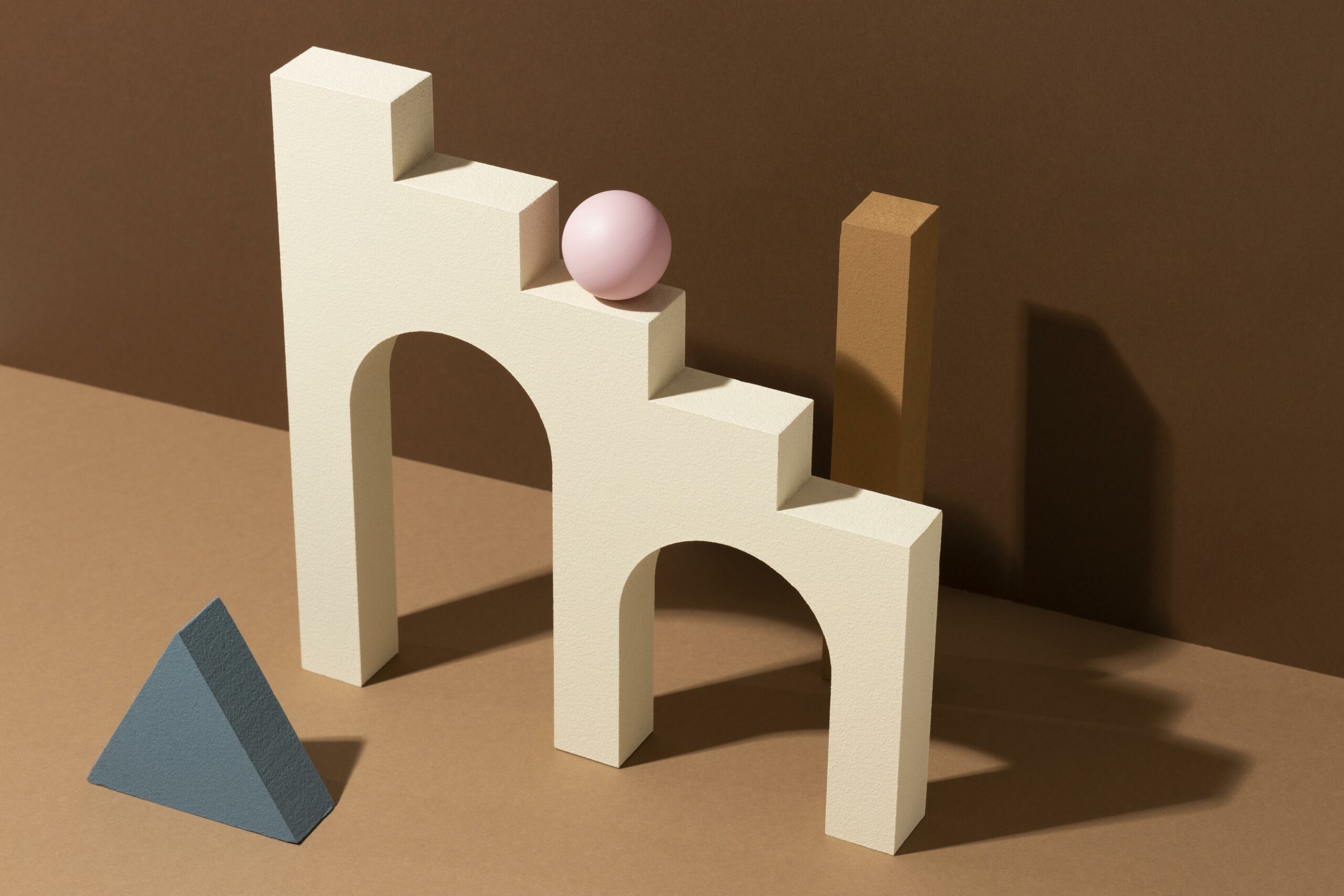
The Bauhaus movement was an art and design school that was founded in Germany in 1919. Founded by Walter Gropius, a renowned architect, it revolutionized architecture and design by promoting a minimalist and functional style. The movement has had a global influence, particularly on modern architecture over the years.
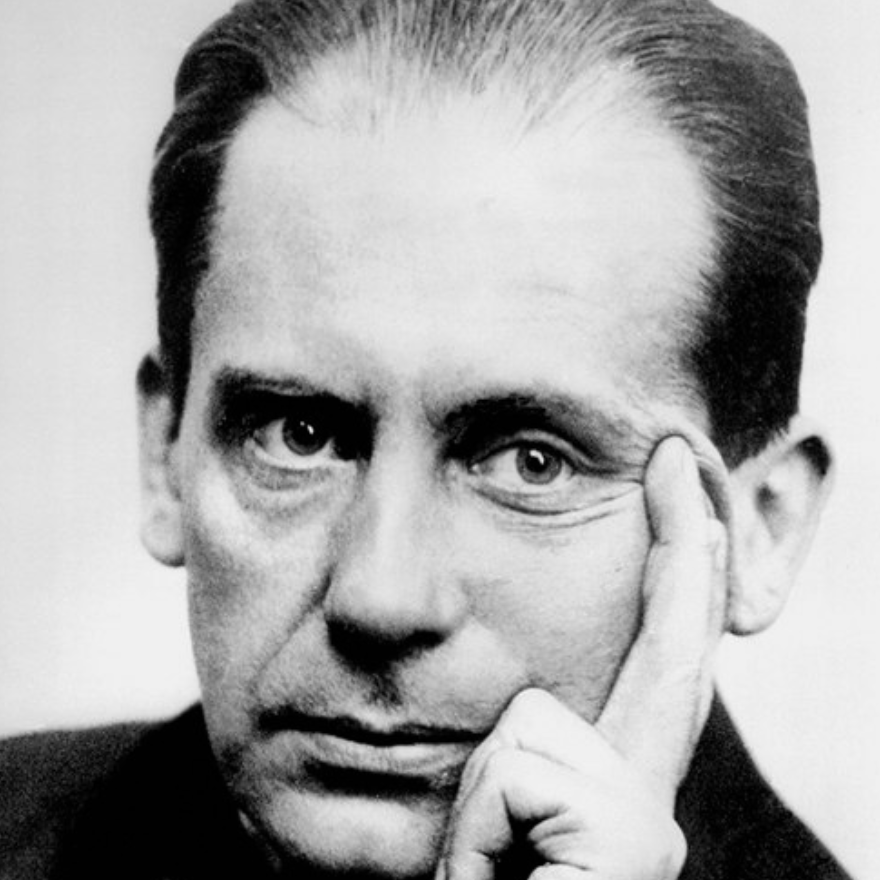
The Origins of the Bauhaus Movement: How Did It All Begin?
The Bauhaus movement emerged at a time when Germany was in the midst of reconstruction following World War I. The goal was to create a school that could train artists and craftsmen capable of contributing to Germany’s reconstruction by creating functional and economical objects. The founder, Walter Gropius, was a renowned architect who had been influenced by the theories of artist and designer William Morris, as well as by the ideas of the De Stijl movement in the Netherlands.
The Rules of the Game at Bauhaus: Discover the Principles That Revolutionized Art and Design!
The Bauhaus movement championed a minimalist and functional style, characterized by simple geometric shapes and primary colors. Artists and craftsmen were encouraged to work together to create objects that were both beautiful and functional. The primary materials used were often industrial materials, such as steel, glass, and concrete.
The movement also promoted the idea that art and craftsmanship were inseparable, and that artists and craftspeople should work together to create functional objects that were also aesthetically pleasing. This idea had a considerable influence on modern design and contributed to the creation of objects such as chairs, lamps, and tables that have become design icons.
Bauhaus: The Surprising Impact on Modern Architecture—How an Art Movement Changed Everything!
The Bauhaus movement had a considerable influence on modern architecture, particularly on the International Style. This style is characterized by simple geometric forms, the use of industrial materials, and an emphasis on functionality. Buildings designed in this style are often noted for their simplicity and elegance.
Architects influenced by the Bauhaus movement include figures such as Ludwig Mies van der Rohe, Walter Gropius, and Le Corbusier. Their works shaped 20th-century architecture and have inspired generations of designers.
The Bauhaus: An incredible legacy that lives on today!
The Bauhaus movement has left a lasting legacy in art, design, and architecture. Its philosophy has influenced many artistic and design movements, such as modernism, minimalism, and industrial design. It has also influenced art and design schools around the world, particularly in the United States.
Door Handles and the Bauhaus: The Perfect Blend of Style and Practicality
The designers of the Bauhaus movement therefore created door handles that fit perfectly with their minimalist and functional aesthetic. The door handles were meant to be simple, practical, and easy to use.
Door handles designed in the Bauhaus style were often made of industrial materials such as metal, stainless steel, or brass. They were often simple and unadorned, yet elegant and timeless. Functionality was also very important, with ergonomic handles designed for easy and efficient use.
German designer Wilhelm Wagenfeld, who worked at the Bauhaus, is known for designing innovative and elegant door handles. He created cylindrical handles with a honeycomb texture that provided a better grip. This demonstrates how much the designers of the Bauhaus movement were concerned with functionality.